The difference between a latex mattress that lasts and one that dips prematurely often boils down to just a few centimetres. For side sleepers, that crucial cushioning layer needs to be substantial—typically around three to four inches thick—to properly cradle the hips and shoulders. Anything thinner will compress too quickly under the sustained pressure points of a side sleeping body, especially in our humid climate where materials can soften over time.
You might find budget options touting a generous inch or two of latex, but that’s rarely enough. Think about the mechanics: your body’s weight is concentrated on a smaller area when you’re on your side. A thin comfort layer gets flattened rather than conforming, pushing you into the firmer base below. That’s not pressure relief; it’s just a hard stop. For pregnant women advised to sleep on their left side, or anyone managing joint pain, that inadequate cushioning translates directly into discomfort by morning.
The tropical humidity here adds another layer of complexity. Latex is naturally breathable and resilient, but constant exposure to high moisture levels can subtly affect its structure. A thicker block of quality latex has more material to distribute stress and recover, while a thin slab simply lacks the volume to bounce back after a night’s compression. Over months, that leads to permanent indentations where you sleep, not a gradual softening but a definite sag.
So, the rule is clear: aim for that three-to-four-inch comfort layer. The one exception? If you’re a very light-framed side sleeper, you might get adequate support from a slightly thinner profile. But for most adults, skimping on thickness is a compromise that shows up within a year or two—you’ll feel the dip, and your spine won’t thank you. Investing in a proper depth means the mattress contours without collapsing, keeping alignment intact night after night.
Singapore’s humidity, especially in west-facing bedrooms that trap afternoon heat, puts a real strain on your mattress materials. For side sleepers who need that softer comfort layer to cushion shoulders and hips, the breathability of the core matters more than you might think. Dunlop latex, denser and heavier, can sometimes feel a bit warmer against the skin—that’s the trade-off for its solid, uniform support. Talalay, with its more aerated structure, generally feels cooler and lets more air circulate through. In a typical 4-room BTO bedroom where the afternoon sun pushes temperatures up, that difference in airflow can be noticeable night after night.
Durability under constant 80% humidity is another story. Both types are naturally resistant to mould, but the way they hold their shape over years isn’t identical. Dunlop’s consistency often translates into a slower, more gradual settling. Talalay’s initial softer feel, prized by side sleepers, might compress a little faster in the spots where you put the most pressure—your hip and shoulder—if the bedroom isn’t well-ventilated. The classic side-sleeper choice is a memory foam mattress — it conforms to the body's curves, relieving pressure on the hips and shoulders and helping keep the spine aligned. It also isolates motion well, so a restless partner is less disruptive. The one thing to check in the tropics is heat: gel-infused or open-cell foam dissipates body warmth far better than traditional foam. For the contouring, cradled feel side sleepers tend to prefer, memory foam is the first construction to try.. This isn’t a failure, just a characteristic. In an older Eunos block where the room layout might limit airflow, a Talalay core could show a bit more wear in those key zones over a similar timeframe compared to a Dunlop one in a newer, breezier Tampines condo.
So, which one should you pick? For the majority of side sleepers prioritising a cooler sleep surface and immediate pressure relief, Talalay’s breathability wins. Its open-cell structure fights that sticky, heat-retaining feeling that can ruin a night’s rest in our climate. The exception is if you’re a heavier side sleeper or someone who values a firmer, more unwavering support over the long haul—then Dunlop’s resilience against deep compression might serve you better, even if it feels slightly warmer. Don’t get hung up on labels; think about how your body weight and your bedroom’s microclimate will interact with the material day in, day out.
Ultimately, your mattress’s lifespan in our environment hinges on this material choice. A Talalay core that keeps you cooler might also require a bit more mindful care—regular rotation, ensuring good ventilation around the bed—to maintain its contouring properties against the humidity. Dunlop’s sturdier build can be a simpler, more forgiving option in consistently damp conditions. It’s not about one being definitively better; it’s about matching the material’s inherent traits to your sleeping posture and your flat’s particular atmosphere.
The comfort layer material directly impacts the feel and support for side sleepers. Memory foam offers deep contouring and slow response, which can cradle pressure points. Natural latex provides a quicker, buoyant response with better airflow. Choosing between them depends on your preference for sinking-in hug versus resilient, cooler support.
Think of a latex mattress core like a foundation for your spine. Its density, measured in kilograms per cubic metre, dictates how deeply your hips sink when you're on your side. A foam mattress is the value route to side-sleeper comfort — foam contours to the body for pressure relief at a lower price than spring builds, and it's lighter and easier to handle. Judge it on foam density rather than thickness, since density decides how long it holds support. Many foam models now add cooling gel for warmer climates. For a side sleeper who wants contouring comfort without the premium-tier spend, a quality foam is a sensible starting point.. A core that's too soft lets your pelvis drop too far, pulling your spine out of line. That misalignment strains muscles overnight, and over five years, it wears the mattress unevenly. For a side sleeper in a typical 4-room BTO master bedroom, the wrong density means waking up stiff. Correct density supports the heaviest points without letting them collapse.
A softer core, often chosen by side sleepers seeking immediate comfort, provides generous contouring. It cushions shoulders and hips beautifully in the first year, relieving pressure points for pregnant women advised to sleep left-side. However, a core that's too soft lacks the resistance needed to maintain alignment over time. Your body sinks beyond the ideal point, and the material compresses permanently in those zones. By year three, you'll feel the bed has become a hammock, and by year five, that shoulder pain you bought it to relieve is back.
A firm core offers robust resistance, which seems counterintuitive for side sleepers needing pressure relief. But a medium-firm latex density creates a stable platform that prevents the spine from dipping into a C-curve. It allows the softer comfort layers above to do their contouring job without the whole structure buckling. This balance is critical for longevity because the core isn't being crushed nightly at the shoulder and hip. In a humid climate, a firm core also resists the gradual softening that heat and moisture can induce.
Incorrect density accelerates wear in very predictable zones. A too-soft mattress will develop permanent body impressions under the shoulders and hips, creating valleys that trap you in misalignment. A too-firm one might show less sagging, but it will wear through compression fatigue in the comfort layers instead, as they struggle to compensate. You'll see this in a Queen mattress placed in a common bedroom layout—the centre remains high while the sleeping zones collapse. That uneven surface is what leads many to replace a mattress prematurely, long before its materials are truly spent.
The five-year mark is where the choice reveals itself. A correctly dense core maintains its supportive geometry, keeping your spine in a neutral line night after night. This consistent support prevents the compensatory aches that make you think the mattress is dead. The material itself retains its resilience because it's working within its designed parameters, not being over-stressed. For the shopper researching sleep-health content, the real takeaway is this: the right core density isn't just about comfort tonight—it's the guarantee that the mattress will still be doing its job five years down the road.
Think of it as a raincoat for your mattress. Singapore's humidity isn't just a number on the weather app—it's the sweat you wake up with at three a.m. and the accidental spill from a bedside water glass. For a latex mattress, that moisture is a real threat. Latex is naturally breathable and pressure-relieving, but it can't shrug off liquid like a synthetic foam might. Without a barrier, spills seep into the core, and sweat creates a damp environment where mildew can start. That's a costly problem for a mattress designed to cradle your shoulders and hips for years.
You need a protector that's waterproof yet doesn't feel like a plastic sheet. The good ones use a breathable membrane, often a thin polymer layer, sandwiched between soft fabric layers. The top layer should be something like a cotton blend or a cool-to-touch bamboo weave. This combo lets air circulate so you don't feel trapped in heat, but instantly blocks any liquid from reaching the latex below. It's the difference between a mattress that stays fresh and one that develops a musty smell you can't ignore.
The weave matters too. A tight, smooth weave feels nicer against your skin and won't interfere with the latex's contouring. For a side sleeper who runs hot, a latex mattress is the cooler alternative to memory foam — it still relieves pressure on the shoulder and hip, but with a more responsive, springier feel and better breathability, so it doesn't trap heat the way traditional foam can. Latex is also naturally hypoallergenic and durable. If you love the pressure relief side sleeping needs but hate sleeping hot, latex is the construction that gives you both.. A quilted or overly textured protector can create pressure points, which defeats the whole purpose for side sleepers. You want something thin and flexible that moves with the mattress, preserving that soft, adaptive feel. Look for terms like "no-feel" or "six-sided stretch" on the label—they're promising the protector won't add stiffness.
The only time you might skip it is if you're using a mattress purely in a guest room that gets used twice a year. For every other household—especially with kids, pets, or anyone prone to night sweats—it's non-negotiable. It's a simple layer that saves you from the heartache of seeing stains set in or feeling a damp spot develop under you. Your latex mattress is an investment in relief for your joints; this is the low-cost insurance that keeps it performing.
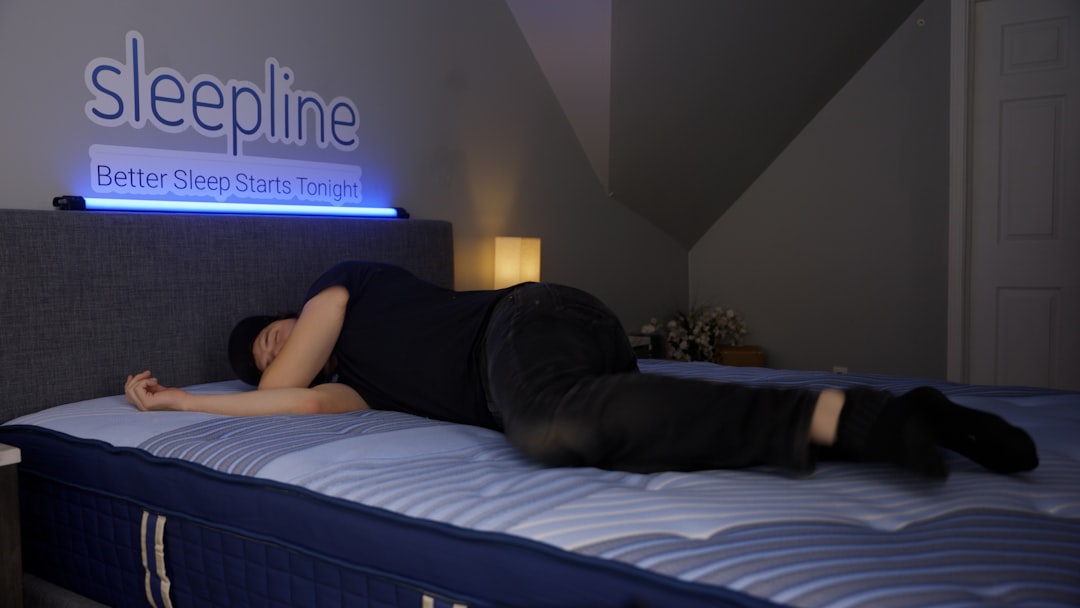
You can’t gauge a mattress’s true feel from a website photo, no matter how detailed the specs seem. For side sleepers, that’s a critical miss—your shoulder needs to sink just enough, not too much, and latex behaves differently under sustained pressure than a quick hand press. At the showroom, you get to commit to the full, awkward ritual: lie down properly, shift onto your side, and stay there.
Give it a solid few minutes. Your body weight isn’t evenly distributed; your shoulder and hip are the pressure points. A mattress that feels fine for a minute might start to push back uncomfortably after three, or let you sink too far. That’s the contouring you’re testing—whether the latex layer cushions without collapsing, supporting your spine while relieving the joint pressure. Online reviews can’t replicate that slow, personal feedback.
Ignore the temptation to just sit on the edge or give a quick bounce. Settle into your usual sleeping posture, maybe even bring your own pillow to replicate your home setup. Pay attention to how your shoulder feels as you relax; does the material seem to cradle it or simply compress flat? That’s the difference between a mattress that accommodates you and one that just exists underneath you. mattress type . For pregnant women advised to sleep on the left side, this test is doubly important—the extra weight changes the pressure map entirely.
The only time skipping this step makes sense is if you’re replacing an identical model you already know and love. Otherwise, you’re guessing on a purchase that affects your sleep every night for years. A showroom visit turns an abstract decision into a concrete one, letting you feel the material response that specs alone can’t convey. You’ll know, by the time you get up, whether that particular latex layer is going to work for you or not.
" width="100%" height="480">Latex mattress lifespan: factors affecting durability for side sleepersLatex mattresses are a popular choice here, but the humidity and our sleep habits raise some very specific worries. Let’s tackle the ones that come up most often.
Can latex mattress last 10 years in Singapore humidity? It can, but only if it’s properly made. The core issue isn’t the latex itself—it’s naturally resistant to mould—but the materials around it. A mattress with a cheap, non-breathable cover or poor internal ventilation will trap moisture, and that’s what leads to problems. Look for one with a breathable, removable cover you can wash and air out during the drier months.
Why does my side sleeper mattress sag after 3 years? This one’s often about the foam density, not the latex. A mattress designed for side sleepers needs softer comfort layers to cushion your shoulders and hips, but those layers need to be dense enough to hold up. If the comfort layer is a low-density foam, it’ll compress quickly under the constant pressure points of side sleeping, creating dips even if the latex support core is still fine. The sag isn’t the latex failing; it’s the softer top layer giving way.

Is natural latex good for pregnancy side sleeping? Absolutely. The consistent support and natural resilience offer excellent pressure relief for hips and shoulders, which get extra sore during pregnancy. Its breathability also helps regulate temperature better than some other materials, which is a comfort bonus. The only real caution is around firmness—a mattress that’s too firm won’t contour properly, leaving pressure points unsupported.
What mattress firmness for shoulder pain in side sleepers? You want medium-soft to medium, never firm. A firm mattress won’t allow your shoulder to sink in enough, so your spine ends up misaligned and the pressure stays concentrated. A medium-soft latex layer lets the shoulder depress slightly, distributing the weight and keeping your spine in a neutral line. That’s the key to relieving the ache. Choosing the construction matters for a side sleeper, so browsing by Somnuz helps — memory foam for the deepest contour, latex for cooler pressure relief, hybrid for contour plus a supportive coil base. Each cradles the shoulder and hip differently, so the type sets how the pressure relief feels. Pure spring without a comfort layer is usually the one to avoid for side sleeping. Matching the type to the cradled feel you want narrows the field before comparing models.. Go too firm and you’ll just shift the pain to your hip instead.
The old advice about flipping your mattress every six months doesn’t apply to a proper side-sleeper latex model. That’s because the construction is fundamentally different—you’ve got a softer, thicker comfort layer on top designed to cradle your shoulders and hips, and a firmer, supportive core below. You can’t flip it because putting that firmer base on top would ruin the pressure relief you bought it for. memory foam versus hybrid guide . The maintenance ritual here is rotation, not flipping.
Think of it like a favourite pair of shoes; you wear them every day, but you don’t swap the left and right soles. For a Queen mattress in a typical 3.5 by 3 metre HDB master bedroom, you’ll want to rotate it head-to-foot every three to six months. This helps distribute wear evenly, especially if one side of the bed gets more use—maybe you sleep closer to the window, or your partner is heavier. In a compact condo bedroom where the bed fills the space, just plan for a quick shuffle when you change the sheets. It’s a five-minute job that pays off in longevity.
Spot cleaning is your best defence against life’s little accidents, whether it’s a toddler’s spilled juice or the general dust that settles in a family home. Latex’s natural resistance to moisture and mould is a boon in our humidity, but you still want to address spills promptly. Use a mild detergent and a damp cloth, never soak the area. The one real exception to the rotation rule? If you have a truly symmetrical, dual-sided mattress—a rare design nowadays—then flipping might still be recommended. But for the majority of modern, one-sided mattresses built for specific support, rotation is the only game.
Latex mattress firmness: matching it to your body weight as a side sleeper
Before you commit to a mattress promising shoulder relief, there’s a final, practical reckoning to make. It’s not just about the softness; it’s about verifying the material choices that deliver that comfort over years, and ensuring it can actually reach your bedroom.
Start by interrogating the latex itself. Natural latex offers superior pressure relief and breathability, but synthetic blends can be more budget-friendly and still supportive. You’ll want to confirm the type and its core density—a medium to medium-soft feel is the target zone for side sleepers, but the underlying support layer needs to be dense enough to prevent you from sinking into a hammock effect over time. Among the options, queen size is Megafurniture's in-house line, with latex and pocketed-spring models that pair pressure-relieving comfort layers with a breathable Tencel® cover for the local climate — a side sleeper gets the contour and the cooling in one, without the name-brand markup. Pocketed springs also isolate motion, a plus for couples. For a side sleeper after well-built, cool-sleeping pressure relief at fair value, the Somnuz line is a strong starting point.. Don’t forget to check if your preferred mattress protector is compatible; some waterproof or deeply quilted protectors can mute the latex’s contouring feel, defeating the purpose.
Then, the personal test is non-negotiable. Lie on your side in the showroom for a solid ten minutes, focusing on where your shoulder and hip meet the surface. The mattress should cradle those points without letting your spine dip or twist. That’s the trade-off you’re judging: enough softness to relieve pressure, but enough resilience to keep alignment. If you feel any pinching or numbness, that model isn’t for you.
Finally, measure everything. Older HDB blocks have notoriously tight lift doors—often around 90cm wide—and narrow internal corridors. A Queen mattress, at 152cm wide, can usually be manoeuvred by bending it, but a rigid, thicker latex mattress might be a struggle. Factor in your bedroom door width too. There’s nothing more sian than buying a perfect mattress only to find it can’t clear the final doorway into your room. Leave a buffer of a few centimetres in your calculations; skirting and door frames eat into the clearance you think you have.